
On Earth Day, a lot of the focus is on things like recycling, reducing plastic use, or conserving energy. Those things matter—but there’s another piece of the puzzle that often gets overlooked: food. What we waste, what we save, and how we share it all have a direct impact on both our environment and our community.
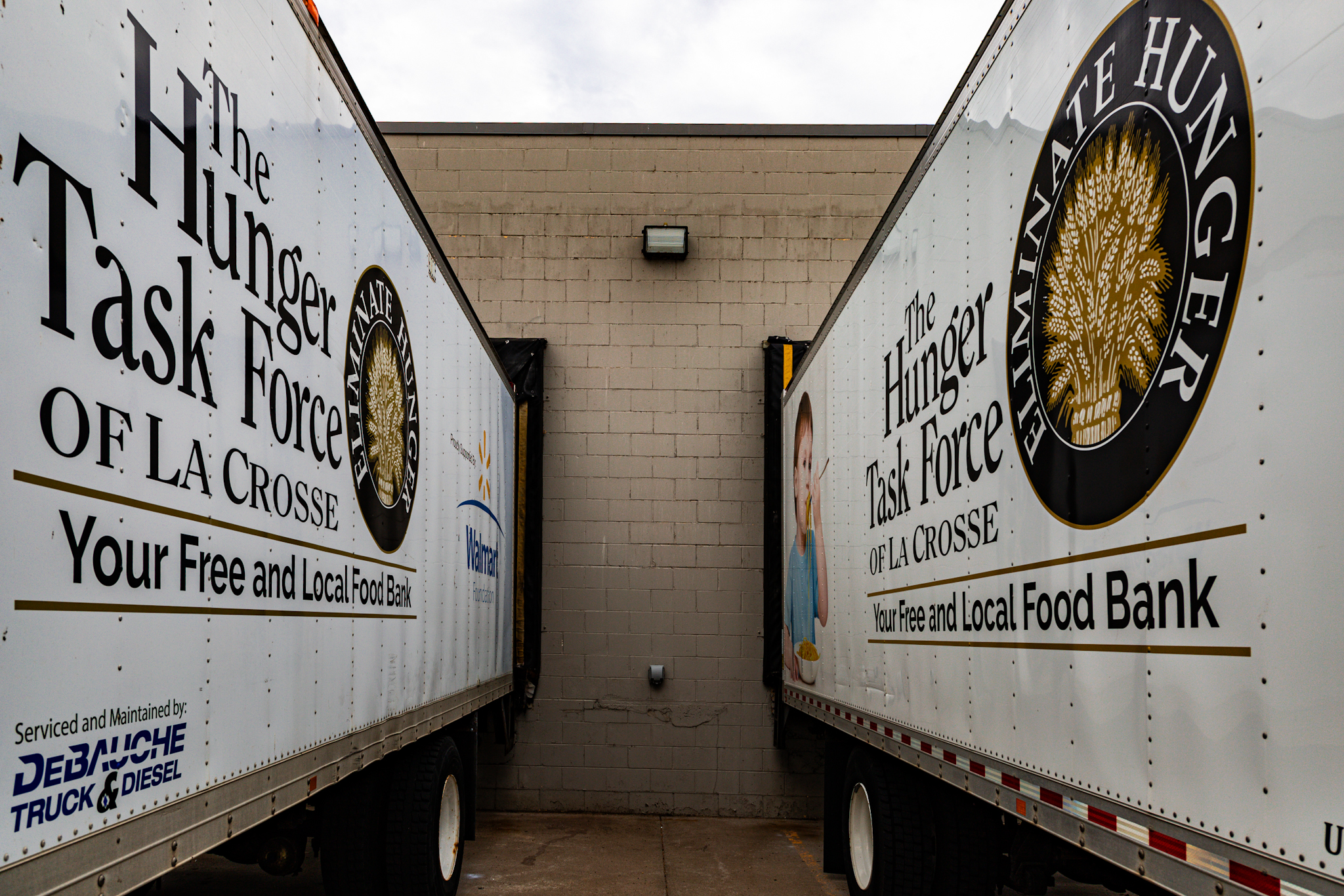
At the Hunger Task Force of La Crosse, we’ve been working at that intersection since 2000 through our Food Recovery Program. The idea is simple, but powerful—rescue good food before it goes to waste and get it into the hands of people who need it.
In the United States, an enormous amount of food is thrown away every year, even while millions of people experience food insecurity. Much of that food is still perfectly safe and nutritious. It may be surplus, close-dated, or not “pretty enough” for store shelves, but it’s still valuable. When that food ends up in landfills, it’s not just the food that’s lost—it’s also the time, water, energy, and labor that went into producing it.
That’s where our partnerships come in. We work with local businesses like Festival Foods, Russ Davis Wholesale, Canteen, Performance Food Group, Westby Creamery, and Organic Valley to recover food that would otherwise be discarded. Instead of going to waste, that food is sorted and distributed to our network of 130 local food pantries, youth programs, and meal sites.
Over 2,500,000 pounds of food moves through this system yearly. That’s 2.5M pounds of meals, groceries, and support going directly to neighbors in our community. And as we move into summer, that number becomes even more important. When school is out, many kids no longer have access to school meals, and families often feel the added strain. At the same time, summer meal programs and youth sites expand and rely on us to help meet the need. Demand rises quickly—and so does the importance of every pound of food we can recover.
Not everything we receive can be distributed, but that doesn’t mean it goes to waste. Food that is unsuitable to eat is sent to our Kane Street Community Garden, where it is composted and turned into nutrient-rich soil. That soil helps us grow fresh fruits and vegetables, which are then shared with the community during three weekly distribution days starting June 1st. It’s a cycle that keeps resources in use and gives back to the community in a different, but equally important, way.
Behind the scenes, keeping this program running takes consistent effort and resources. Just to operate our refrigerated truck for food pick-ups and deliveries costs about $500 per month, and with rising diesel prices, that cost continues to climb. We know that’s not a small number—but the reality is, it’s made up of many smaller contributions coming together. Every donation plays a role in making sure food keeps moving from where it’s in excess to where it’s needed most.
Earth Day is a reminder that small actions can add up to meaningful change. Supporting food recovery is one of those actions—it reduces waste, supports families, and strengthens the entire community. With summer right around the corner and demand increasing, there’s no better time to step in and help.
If you’d like to support this work, you can make a one-time gift or become a monthly donor here, or mail a donation to Hunger Task Force of La Crosse, 1240 Clinton St, La Crosse, WI 54603.
Food should never go to waste when people need it. Together, we can make sure it doesn’t.